
PROGRAM
1..Olive Seminar – every Monday
2. Oregano Seminar – every Tuesday
3.Stamnagathi Seminar – every Thursday
4.Greek Herbs Seminar – every Friday
5.Cretan Kalitsounia Seminar – every Saturday
🕘 Hours & Duration
The seminars begin at 9:00 AM and usually finish around 3:00 PM. The atmosphere is flexible and friendly: if you wish, you are welcome to stay until 5:00 PM to enjoy the creations and talk together about anything you need. However, there is no time pressure — if we finish earlier, you are free to leave whenever you like.
Note: As part of the tasting, we offer knowledge and guidance. If guests choose to taste anything we created, this is entirely their own responsibility. We provide guidance, not consumption.
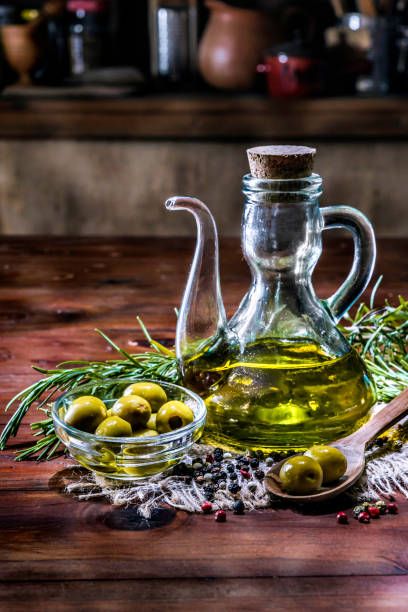
Olive Seminar
In this seminar, we approach the olive tree as a living part of Greek land and the Mediterranean way of life.
The olive tree is not simply a fruit or a food, but a symbol of history, culture, strength, and everyday wisdom.
This seminar focuses on a deeper understanding of the olive tree, its connection with people, and its role in nutrition and daily life.
What we Will Do
– Introduction to the olive tree: its life cycle, environment, and strength
– Understanding the connection between the olive tree, the Mediterranean landscape, and climate
– Presentation of main Greek olive varieties and their special characteristics
– Understanding olives and olive oil as important parts of the Mediterranean diet
– Presentation of traditional harvesting and processing methods
– Practical presentation of how olives and olive oil can be used in everyday life
– Discussion about freshness, quality, and proper storage methods
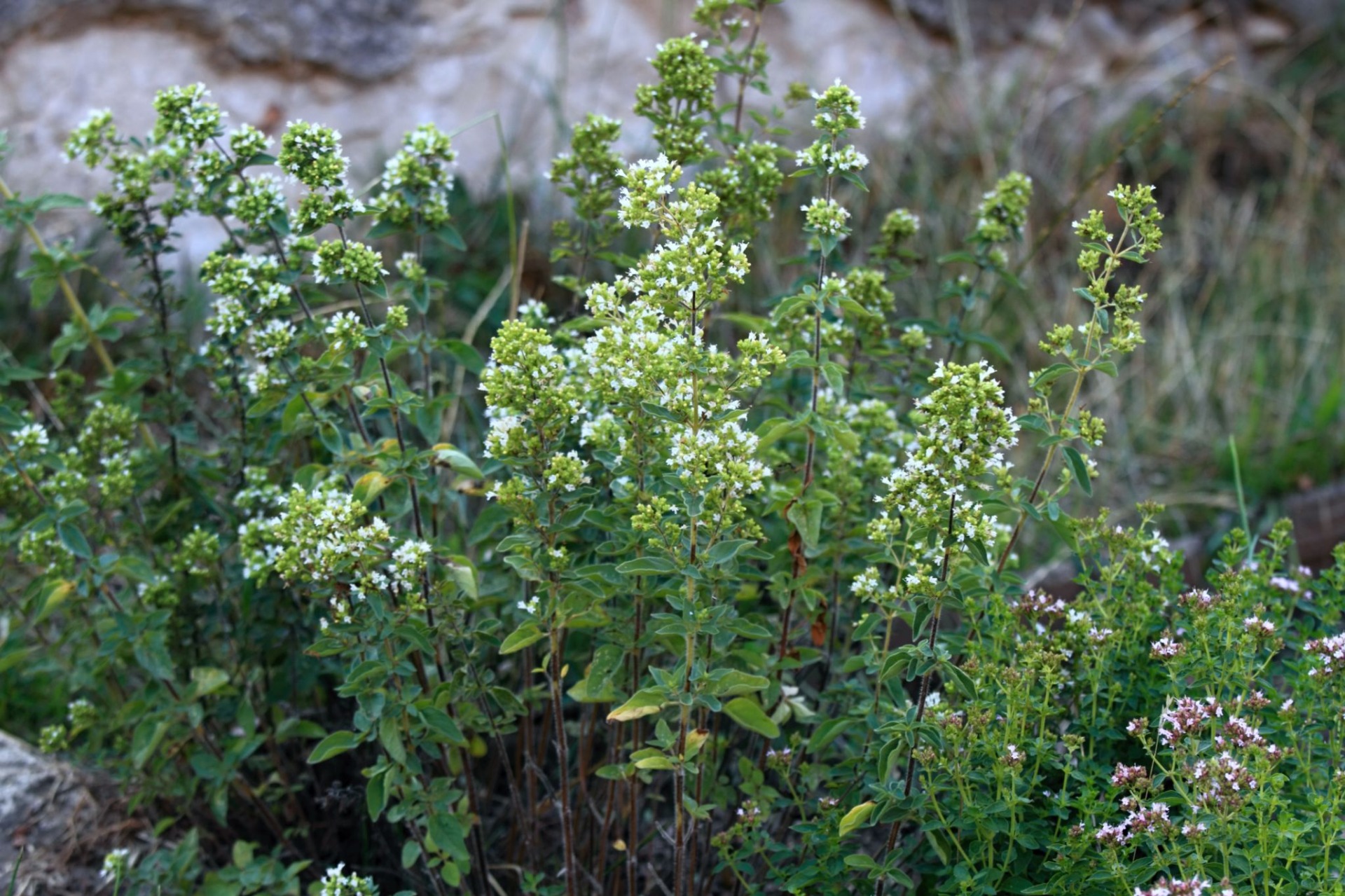
Oregano Seminar
In this seminar, we approach oregano as part of the Greek and Cretan way of life, and not simply as an aromatic herb.
What We Will Do
– Introduction to wild Greek oregano and its differences from other varieties
– Presentation of traditional ways of collecting, drying, and storing oregano properly
– Discussion of its main properties and traditional uses
– Practical presentation of how oregano is used in cooking, so guests can understand how to use it in everyday life
– Discussion and sharing of experiences about its use in daily life
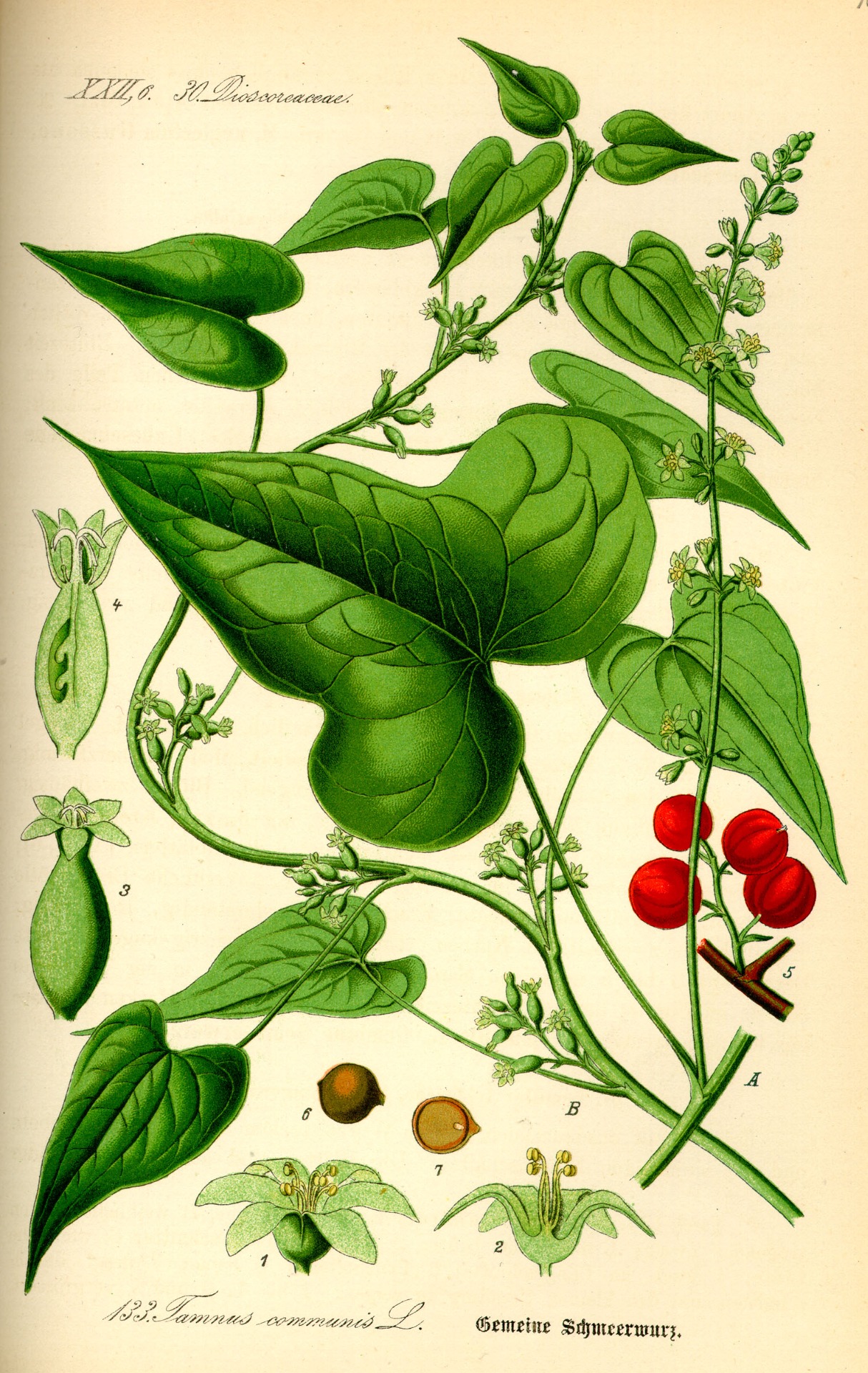
Auronia (Tamus communis) Seminar
The Avronia (Tamus communis) Seminar is about a special wild plant from Greek and Cretan nature.
This is a seasonal plant that grows here from February until the end of April. Its use and knowledge are passed down from generation to generation.
Avronia is not used without knowledge. It needs correct recognition, understanding, and respect.
What We Will Do – Nature walk to recognize Avronia in its natural environment
– Understanding the season and conditions where the plant grows
– Presentation of the main characteristics for safe recognition
– Information about the traditional use of Avronia in Cretan nutrition
– Practical presentation of traditional preparation and use
– Discussion about correct use, limits, and traditional knowledge connected with the plant
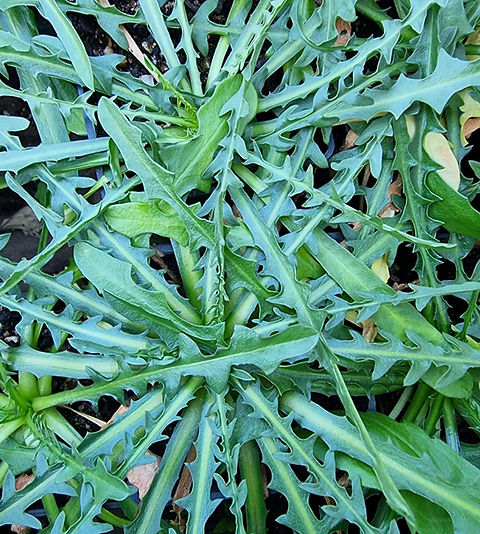
Stamnagathi (Cichorium spinosum ) Seminar
The Stamnagathi Seminar is dedicated to one of the most famous wild greens of Crete and the Mediterranean, closely connected with the seasons, nature, and local food culture.
Stamnagathi is not simply a wild green used in cooking. It is a plant with its own special identity that needs knowledge and understanding. The goal of the seminar is to share this knowledge in a simple, practical, and easy-to-understand way.
What We Will Do The Stamnagathi Seminar is dedicated to one of the most famous wild greens of Crete and the Mediterranean, closely connected with the seasons, nature, and local food culture.
Stamnagathi is not simply a wild green used in cooking. It is a plant with its own special identity that needs knowledge and understanding. The goal of the seminar is to share this knowledge in a simple, practical, and easy-to-understand way.
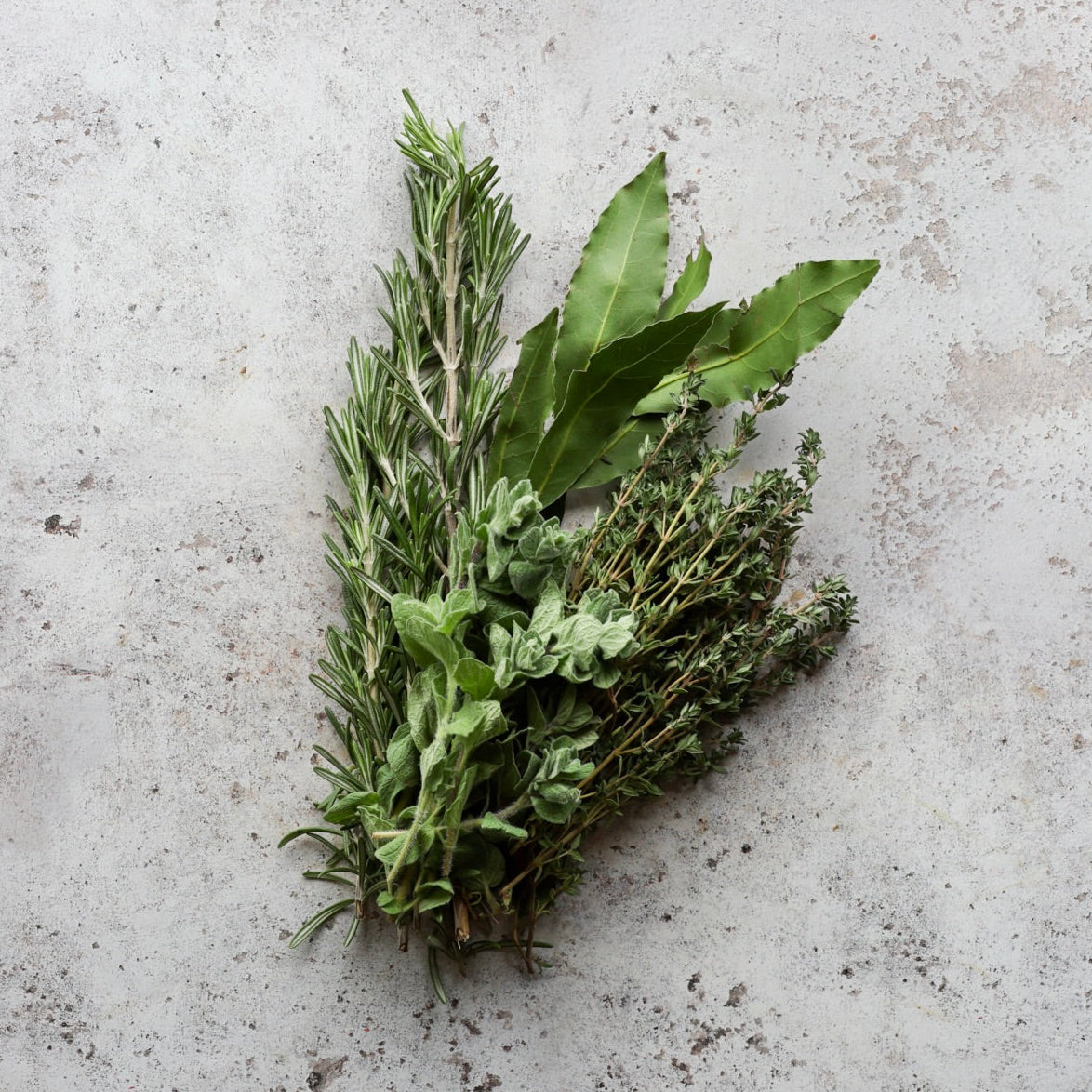
The Power of Greek Herbs
Thyme, Savory, Fennel, Cistus incanus , Dittany, Malotira, Rosemary & St. John's Wort
This seminar is an introduction to the rich world of Greek herbs, with focus on plants traditionally used in everyday life, nutrition, and wellbeing.
These herbs are not presented as products, but as living parts of nature and tradition, with an important role in the Mediterranean way of life.
What We Will Do – Introduction to the main Greek herbs and their role in nature and tradition
– Presentation of each plant separately
– Understanding the seasons and the areas where each herb grows
– Explanation of their characteristics through presentation and images
– Information about their traditional use in everyday life and the Mediterranean diet
– Discussion about respectful use.
– Practical presentation of ways they are used
- The seminar has an educational and practical character, with the goal of helping you better understand herbs and their place in the Greek way of life.
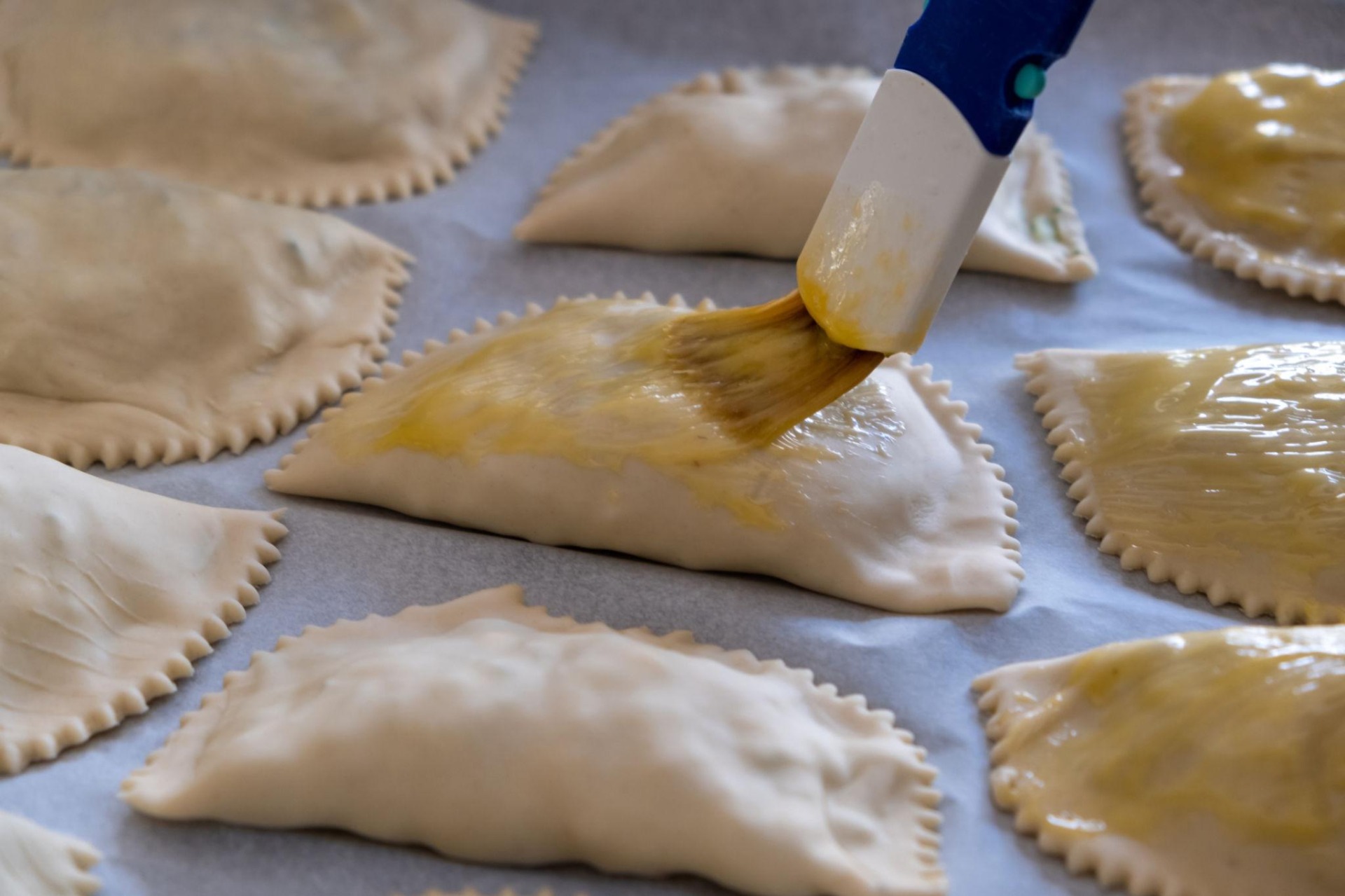
Cretan Kalitsounia Seminar (Traditional Cretan Pastries)
The Cretan Kalitsounia Seminar is dedicated to one of the most traditional parts of Cretan culture, closely connected with the seasons of nature and the herbs that each time of the year offers.
In Crete, kalitsounia are not always the same.
They change with the seasons, because the wild greens and herbs available also change throughout the year.
What we Will Do – Introduction to Cretan kalitsounia as a traditional practice, and not simply as one fixed recipe
– Understanding the seasons:
which kalitsounia are made in winter
and which are made in spring and summer
– Presentation of the different wild greens and herbs used in each season
– Understanding the connection between kalitsounia, nature, seasonal plants, and everyday life
– Practical presentation of the preparation process (dough, filling, and shape), based on seasonal ingredients
– Discussion about local variations and family traditions
The seminar has an educational and practical character and shows how Cretan cuisine adapts to nature.